Costs
Part of Content Promotion Campaign Planning for Business Teams: Brief, Angles, Kit, Outreach
Nine Content Promotion Campaigns, From Data Briefings to Paid Tests
Nine named content promotion campaigns, from HubSpot's data briefings to Duolingo's creator tests, show how each distinct motion earns lasting attention.
What to take away
- The nine campaignsHubSpot's State of Marketing, Gartner's Magic Quadrant, Shopify Editions partner demos, Figma Config office hours, and Zapier Learn courses.
- The other fourGong Labs research, Duolingo's creator tests and 2025 Duo campaign, Webflow Conf replays, and one bounded paid test.
- Each motion does a different job. A data briefing buys citations; a creator test buys honest evaluation; a paid test buys bounded exposure.
- Copy the motion, not the budget. The arithmetic below uses named variables you fill with your own figures.
- Every campaign needs a stop rule, a correction route, and a named owner before it starts.
- Permission, disclosure, and accessible formatting are the parts that survive scrutiny.
Content promotion is a set of campaign motions, and the useful question is which one fits the asset you already have. The nine content promotion campaigns below are real, run by named companies or on named ad platforms, and easy to look up. Copy the shape without copying the spend.
1. HubSpot's State of Marketing report
HubSpot built its audience on two annual research products, the State of Marketing report and the State of AI report. Both are free downloads behind a short form. HubSpot briefs journalists and analysts on the findings and offers a named researcher for interviews.
The motion: collect original survey data, publish the method and limitations, and put a real person behind the numbers. Both reports state the sample size and field dates, which is what makes the figures citable.
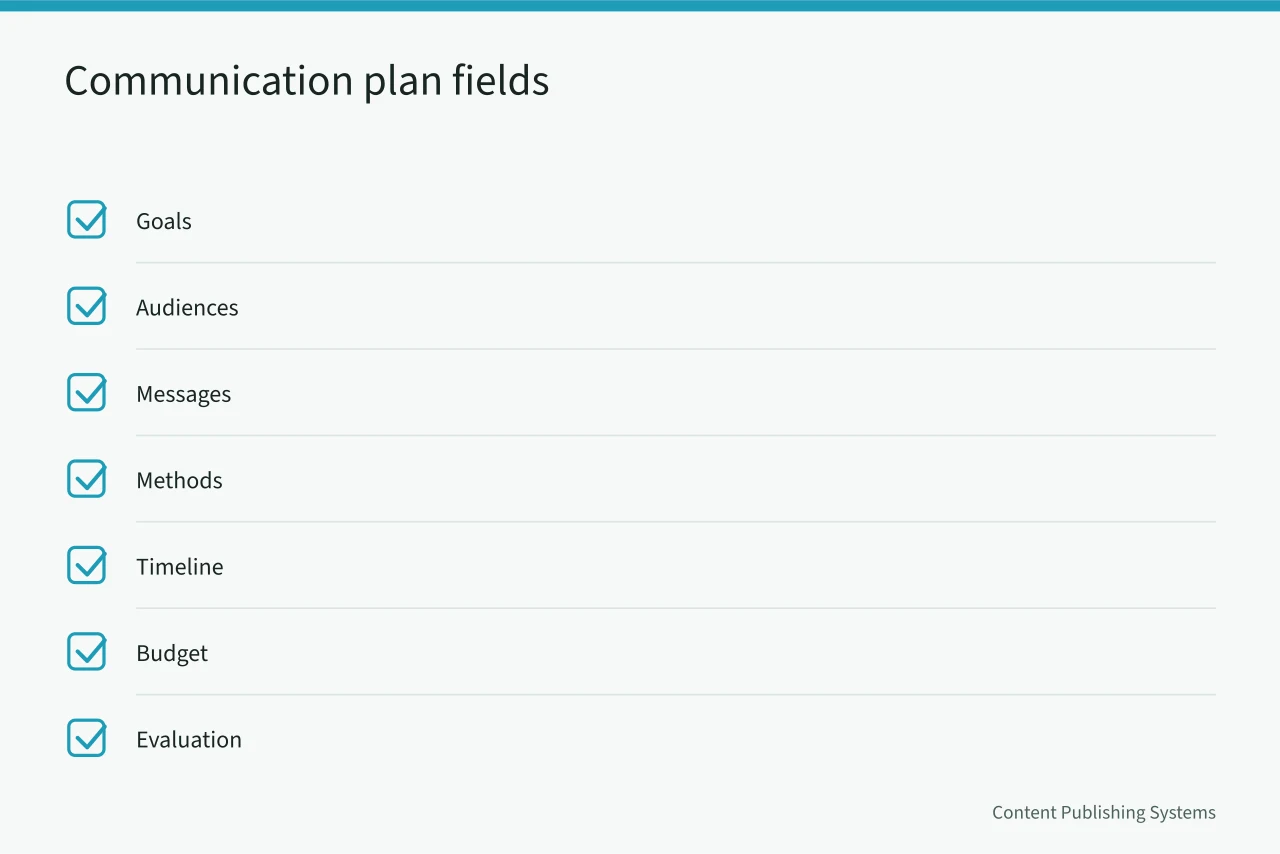
The Centers for Disease Control and Prevention's communication-planning module organizes a plan around these elements:
State of Marketing report
- goals
- audiences
- messages
- methods
- timeline
- budget
- evaluation It was written for school health communication, not business publicity. Borrow the planning fields, not the context.
Disclose the business interest. A correlation is not a causal headline, and a briefing that overstates one gets corrected publicly.
2. Gartner's Magic Quadrant and Hype Cycle releases
Gartner publishes the Magic Quadrant and the Hype Cycle on recurring annual cycles, and its analysts comment on both for researched journalists. The full documents sit behind a license; the press release and analyst quotes are free.
Vendors must meet stated revenue and geographic criteria to appear in a Magic Quadrant, so publication itself is news. The motion: a named expert, a verified position, and a recipient list matched to prior work.
The UK Department of Health and Social Care's PR campaign guide recommends setting objectives early, targeting relevant media, and allowing journalists time to assess a story. It supports health-campaign resources, not a commercial guarantee of coverage.
Keep the response useful without requiring a link. Skipping that independence check is a recurring content promotion mistake.
3. Shopify Editions partner demos
Shopify runs partner sessions where app developers and agency partners show how complementary tools solve one merchant task. Many land alongside Editions, the product release Shopify ships twice a year.
Partner demo terms
- Disclosure
- Data access
- Recording rights
- Promotion
- Follow-up
- Corrections
- Termination
The App Store's published terms give developers 0 percent of the first $1 million in annual revenue, then 15 percent. Those terms shape what partners build and how they describe it. The motion: two parties, one audience problem, agreed claims and roles before the announcement.
Settle these in writing first:
Partner demos
- disclosure
- data access
- recording rights
- promotion
- follow-up
- corrections
- termination A partner session that skips this becomes a dispute about who said what.
4. Figma's community office hours at Config
Figma hosts community sessions where staff answer questions directly in a moderated space. Its annual Config conference posts session recordings online, and Friends of Figma chapters run local meetups between editions.
The motion: ask moderators whether a session fits, disclose affiliation, answer plainly, and share the source only when it helps.
Do not coordinate votes, seed questions, or automate praise. Communities detect it and the cost is the relationship, not the post.
5. Zapier Learn email courses
Zapier turns substantial guides into short email sequences for people who opted in, and Zapier Learn hosts the same material as free courses. The free plan covers 100 tasks a month on single-step Zaps, so a course can walk a reader through a working setup.
The motion: a consented segment, a sequence that preserves the evidence and qualifications, and visible preferences and unsubscribe. Explain why the recipient is receiving it.
Accessible formatting matters here more than in any other motion, because the reader is alone with the message.
6. Gong Labs research kits
Gong Labs publishes analyses drawn from aggregated, anonymized customer conversations, and posts usually name the sample behind the finding. Gong then arms sales teams with those findings tied to specific buyer triggers.
The motion: give the team approved facts, limitations, a contextual note, and a feedback route back to marketing. Use the asset in relevant conversations rather than mass outreach. Treat any pipeline association cautiously; it is not proof the content caused the deal.
7. Duolingo's creator tests and the Duo campaign
Duolingo works with creators who evaluate the product and report what they find, including limitations. In February 2025 the brand announced that its mascot, Duo the owl, had died, then brought him back days later once the story had traveled worldwide.
The motion: genuine freedom to report, a defined relationship, and disclosure up front.
Lead-in of at most fifteen words:
- Define claims, access, safety, rights, paid amplification, and the correction route. Repeating one good test is what how to improve content promotion covers next.
8. Webflow Conf replay campaign
Webflow promotes recorded sessions with a transcript, a key segment, and a source page. Webflow Conf posts its talks on demand after the event, and Webflow University adds free lessons and certifications.
The motion: treat the replay as its own asset, not a leftover, and promote it to people who registered but did not attend. Report registration, attendance, replay use, and commercial action separately. Blending them turns a modest result into a misleading one.
9. A bounded paid test
The ninth motion is the smallest useful paid test. It needs one verified asset, a defined audience, a placement, a message, and a landing experience. Budget, duration, a primary measure, guardrails, and a stop rule complete it.
Paid test cost floors
- $1.00/dayMeta per ad set
- $5.00/dayReddit
- ~$10.00/dayLinkedIn
- $18-$50Podcast host-read per 1k downloads
Named channels set the floor. Meta typically allows $1.00 a day per ad set, Reddit $5.00 a day, and LinkedIn about $10.00 a day. Podcast host-read spots typically price between $18 and $50 per thousand downloads, and newsletter sponsorships between $30 and $80 per thousand sends.
LinkedIn's Thought Leader Ads let a company sponsor a named person's post rather than a brand page post, which suits a small test. Rates move with audience size, niche, and placement.
Set the budget as a formula you fill in: daily spend x days = test budget. Set the stop rule before launch. Paid exposure does not prove the content is true or useful.
Nine-campaign selection map
Nine campaigns at a glance
Campaign
- HubSpot State of Marketing
- Evidence and citation
- Gartner Magic Quadrant and Hype Cycle
- Explanation and access
- Shopify Editions partner demos
- Trusted context
- Figma Config office hours
- Dialogue
- Zapier Learn email course
- Direct task support
- Gong Labs sales kit
- Conversation support
- Duolingo creator test and Duo campaign
- Demonstration
- Webflow Conf replay
- Depth
Job
- HubSpot State of Marketing
- Method and limits
- Gartner Magic Quadrant and Hype Cycle
- Analyst availability
- Shopify Editions partner demos
- Role and disclosure
- Figma Config office hours
- Moderation and honesty
- Zapier Learn email course
- Permission and relevance
- Gong Labs sales kit
- Approved facts
- Duolingo creator test and Duo campaign
- Freedom and rights
- Webflow Conf replay
- Registration split from use
Control
- HubSpot State of Marketing
- Gartner Magic Quadrant and Hype Cycle
- Shopify Editions partner demos
- Figma Config office hours
- Zapier Learn email course
- Gong Labs sales kit
- Duolingo creator test and Duo campaign
- Webflow Conf replay
| Campaign | Distinct job | Primary control |
|---|---|---|
| HubSpot State of Marketing | Evidence and citation | Method and limits |
| Gartner Magic Quadrant and Hype Cycle | Explanation and access | Analyst availability |
| Shopify Editions partner demos | Trusted context | Role and disclosure |
| Figma Config office hours | Dialogue | Moderation and honesty |
| Zapier Learn email course | Direct task support | Permission and relevance |
| Gong Labs sales kit | Conversation support | Approved facts |
| Duolingo creator test and Duo campaign | Demonstration | Freedom and rights |
| Webflow Conf replay | Depth | Registration split from use |
| Bounded paid test | Bounded exposure | Budget and stop rule |
Turn campaigns into test cases
The NIST Privacy Framework starting guide outlines a voluntary process for identifying and managing privacy risk. Use it to assign data and response owners before a campaign starts. It is not legal clearance.
The W3C information and relationships explanation says visual structure and relationships should also be programmatically available. Test the actual page with the users and technology in scope.
Common questions
Are these real campaigns?
Yes. Nine campaigns, run by eight companies plus one paid test plan on named ad platforms, are described here:
- HubSpot
- Gartner
- Shopify
- Figma
- Zapier
- Gong
- Duolingo
- Webflow The descriptions here cover the shape of each campaign, not its internal results, which those companies have not published in full. Teams weighing which motion fits their asset often start with the questions about content promotion that come up most.
Which motion should a small team start with?
Pick the one that reaches an audience you can already name. For most teams that is the email course or the partner session, because both work with an existing list or an existing relationship. A data briefing needs survey capacity; a creator test needs a budget and a contract.
Can several motions run at once?
Yes, if each has a distinct job and its own measure. Sequence them so feedback from the first corrects the source asset before the second amplifies it. Running all nine at once with one measure tells you nothing about which worked.